A paper strip at a perfume counter tells you about as much about a fragrance as a movie trailer tells you about the ending. You get the loud bits. You miss the plot.
Samples and decants fix that. For a small outlay you can wear something properly, for a whole day, in your own life, before buying a full bottle.
What’s the difference between a sample, a decant and a travel size?
The words get used loosely, so here’s how they usually break down.
| Format | Who makes it | Typical size | Good for | Watch out for |
|---|---|---|---|---|
| Sample vial | The brand | Around 1–2 ml | A first proper test | Dab vials are fiddly and spill easily |
| Sample spray | The brand | Around 1–2 ml | Testing on skin like the real thing | Limited supply, often free with purchases |
| Discovery set | The brand | Several small sprays | Exploring a whole house | Not every scent in the line is included |
| Decant | Usually a third-party seller | Often 2–10 ml | Testing niche or hard-to-find scents | Authenticity depends on the seller |
| Travel or mini size | The brand | Often 5–15 ml | Carrying a scent you already like | Not always available for every fragrance |
The key difference is who filled the container. A brand sample comes sealed from the house. A decant is filled by somebody else, from a bottle you can’t see.
Where can you get perfume samples?
There are more routes than most people realize:
- Department store and beauty counters: staff can often make a small sample from a tester, especially if you ask politely and aren’t in a rush
- With purchases: many retailers include free samples, and some let you choose them
- Brand websites: many houses sell paid samples or discovery sets, and some credit the cost against a later full-size purchase
- Discovery sets: a box of small sprays from one house, ideal for exploring a brand like Le Labo or Maison Francis Kurkdjian
- Subscription services: monthly deliveries of a small atomizer, usually from a large catalog
- Decant sellers: independent shops that split full bottles into smaller sizes
Can you trust a perfume decant?
Often, yes, but it’s a matter of trust rather than proof. Decanting a bottle you bought is generally a normal practice, and a large community of decant sellers exists. Whether reselling decants is allowed depends on where you live and on trademark rules, and brands rarely authorize it, so treat decants as an independent market.
The real risk is authenticity. A decant has no box, no batch code and no branded bottle to check. If the seller started with a fake, or diluted the juice, you’d have no way to tell from the vial.
How to reduce that risk:
- Buy from sellers with a long history and lots of detailed, independent reviews
- Prefer sellers who show photos of the source bottles and their batch codes
- Be wary of prices that undercut everyone else by a wide margin
- Start with a small order before trusting a new seller with a bigger one
- Compare the decant with a counter tester if you can
How do you test a sample properly?
A sample is only useful if you test it fairly. A sniff from the vial is not a test.
- Wear it on skin, not just paper; skin warmth and chemistry change how a fragrance develops
- Wear it for a full day. Smell it after 10 minutes, 2 hours and 6 hours, because the drydown is what you’ll live with
- Test one fragrance at a time. Two on different wrists confuse the nose and mix in the air around you
- Wear it more than once, in different weather and moods
- Notice other people. Compliments, complaints and silence are all data
- Write it down. A note on your phone saves you from re-buying the same sample in a year
Bottles mentioned
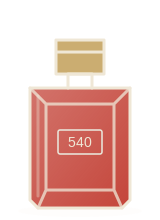
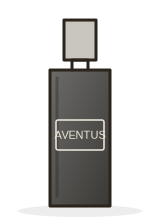
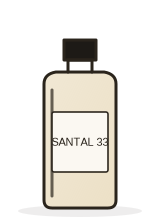
Affiliate link: as an Amazon Associate we earn from qualifying purchases, at no extra cost to you.
How should you keep samples fresh?
Small vials are more vulnerable than big bottles. There’s a lot of air relative to the liquid, the seals are simpler, and they’re easy to lose in a bag.
Keep them upright in a small box, somewhere cool and dark. A drawer is perfect; a sunny windowsill or a hot car is not. Label decants with the name and the date you got them, and use them within months rather than hoarding them for years.
If you’re decanting your own perfume for travel, a small refillable atomizer in glass is the safest bet. Our guide to how to store perfume covers the details.
Is a decant good value?
Per milliliter, a decant almost always costs more than buying the full bottle. Someone has to buy the bottle, the vials and the labels, and spend time filling them.
But that’s the wrong comparison. The real question is how much you spend to find out whether you love a fragrance.
Our rough illustration of relative spend, not real prices, which vary widely by fragrance and seller.
A small decant of a luxury fragrance costs a fraction of the full bottle and gives you several days of honest wear. If you love it, you buy the bottle with confidence. If you don’t, you’ve saved yourself most of the cost of a mistake. Pair this with our guide to blind buying perfume, and the regret shelf stays mercifully short.