Every perfume lover has a shelf of mistakes. A bottle that sounded like a Tuscan garden and smelled like a hotel lobby, or the one everyone online adored that turned to burnt sugar on your skin.
Blind buying, ordering a fragrance you’ve never smelled, is how most of those bottles arrived. It isn’t always a bad idea. It just rewards a bit of homework.
When does a blind buy make sense?
It makes sense when the downside is small. A modest bottle, a style you already know you like, or a fragrance from a family you’ve worn happily for years are all reasonable bets.
It makes less sense when the bottle is expensive, the style is new to you, or the fragrance is famous for dividing people. In those cases, a few days of patience usually saves real money.
A quick way to judge your risk:
| Situation | Risk | Better move |
|---|---|---|
| A flanker or new concentration of a scent you love | Low to medium | Read how it differs, since flankers can change a lot |
| A new fragrance in a family you already wear | Medium | Compare its notes with your favorites |
| A famous crowd-pleaser in a style you like | Medium | Usually fine, but sample if you can |
| A niche fragrance with heavy oud, leather or smoke | High | Sample first, no exceptions |
| A large, expensive bottle of anything unknown | High | Start with a travel size or decant |
What can a list of notes tell you?
More than nothing, less than marketing suggests. A note list tells you the general direction: citrus and herbs point fresh, vanilla and tonka point sweet, oud and leather point dark and dry.
What it can’t tell you is proportion. “Rose, oud, saffron” could be a whisper of rose or a rose bomb. Notes are also partly poetic. A listed “amberwood” or “cashmere wood” is usually a perfumer’s shorthand for a synthetic material, not a tree.
Our guide to fragrance notes explained covers how to read a pyramid without being led astray by it.
- Topthe first 15 minutesSaffron · Jasmine
- Heartthe next few hoursAmberwood · Ambergris
- Basewhat stays on skinFir Resin · Cedarwood
How do you read perfume reviews without getting fooled?
Fragrance databases such as Fragrantica and Basenotes collect thousands of community reviews and votes. They’re useful, as long as you read them like a scientist rather than a fan.
Some practical rules:
- Look for patterns, not verdicts. If thirty people independently mention “baby powder”, it probably smells a bit powdery
- Trust descriptions over ratings. “Smells like pencil shavings and cream” helps you; “10/10 masterpiece” doesn’t
- Find reviewers who share your taste. If someone loves the same three fragrances you do, their opinion is worth five strangers’
- Watch for hype cycles. Social media can turn one fragrance into a phenomenon in weeks, and enthusiasm isn’t the same as fit
- Discount sponsored content. Free bottles and affiliate links don’t make a reviewer dishonest, but they’re worth knowing about
Remember too that skin, climate and nose differ. A fragrance described as “sweet” by one person can read as “sharp” to another.
Which styles are the safer blind buys?
There’s no guaranteed crowd-pleaser, but some styles have a far wider comfort zone than others. Fresh citrus, clean musks, soft woods and lavender-based aromatics rarely offend. Big gourmands, animalic notes and smoky resins split rooms.
- Fresh citrus and aquatic
- low risk high risk
- Clean musk and soft woods
- low risk high risk
- Aromatic fougère
- low risk high risk
- Big white florals
- low risk high risk
- Very sweet gourmand
- low risk high risk
- Oud, leather, smoke
- low risk high risk
Our editorial judgment of how widely each style tends to be liked, not survey data. Your own taste overrides all of it.
Famous bestsellers are popular for a reason, and an aromatic fougère like Dior Sauvage or a fresh aquatic like Acqua di Giò are generally considered easy to wear. Popular isn’t the same as personal, though. Plenty of people find a mega-seller too familiar.
Bottles mentioned
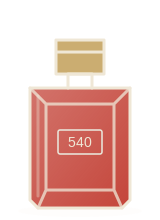
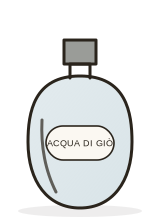
Affiliate link: as an Amazon Associate we earn from qualifying purchases, at no extra cost to you.
Why buy a sample or travel size first?
Because a few milliliters tell you more than a hundred reviews. A sample lets you wear the fragrance for a full day, in your own weather, on your own skin, and notice how it smells after four hours rather than four seconds.
Samples, discovery sets, travel sprays and decants are all cheaper ways to test. Per milliliter they usually cost more than a full bottle, but they cost far less than a full bottle you never wear. Our samples and decants guide walks through the options.
What if the blind buy goes wrong?
First, wait a few days. Noses adjust, and a fragrance that shocked you on Monday can make sense by Friday. Try it on clothes instead of skin, or a single spray instead of four.
If it’s still a no:
- Check returns. Policies vary widely; many retailers accept only sealed, unopened bottles, so decide quickly
- Gift it. A friend or relative with different taste may love it
- Swap it. Fragrance communities often run swaps, though you take the usual risks of trading with strangers
- Use it differently. A spray on bed linen or a coat can work for scents you dislike on skin
And keep notes on what didn’t work. Your failures teach you more about your taste than your successes do.