“Bay” on a perfume pyramid is a riddle with two answers. One is the laurel leaf from your spice rack, the other a Caribbean tree from an entirely different plant family, and they smell different enough to change how a fragrance opens.
Eucalyptus-cool or clove-warm?
Laurel leaf smells herbal, slightly camphorous and cool, a bit like eucalyptus softened by a dry, green sweetness. West Indian bay is warmer and spicier, with a strong clove note that reads as old-fashioned barbershop.
Both bring an aromatic, slightly medicinal sharpness to a composition. Think of them as the bay you cook with and the bay you shave with.
- Coolness
- warm camphor-cool
- Clove spice
- none clove-heavy
- Herbal greenness
- muted leafy
- Sweetness
- dry sweet
A middle reading; laurel leaf oil scores cooler, West Indian bay oil much spicier.
Laurel vs West Indian bay
| Laurel (bay laurel) | West Indian bay | |
|---|---|---|
| Botanical name | Laurus nobilis | Pimenta racemosa |
| Plant family | Laurel family (Lauraceae) | Myrtle family (Myrtaceae) |
| Key molecules | 1,8-cineole, with linalool | Eugenol, with myrcene and chavicol |
| How it smells | Cool, herbal, eucalyptus-like | Warm, spicy, clove-like |
| Classic use | Kitchen herb, aromatic accords | Bay rum, spicy masculine scents |







Bay rum and the barbershop
West Indian bay is the heart of bay rum, the traditional Caribbean aftershave splash made with bay leaf oil and rum or alcohol. Its warm clove spice became a staple of old barbershops.
That heritage is why bay still signals a classic, slightly vintage masculinity. It pairs naturally with citrus, cinnamon, clove and woods.
The clove effect comes from eugenol, the same molecule that dominates clove oil itself. Eugenol is a known skin sensitizer, so fragrance safety rules cap it, and bay oil is dosed with care.
Laurel leaf oil plays a quieter role. Its cool, cineole freshness suits aromatic and herbal accords, where it adds a dry, Mediterranean leafiness without the barbershop associations.
Bay leaf in Opium and Ambre Sultan
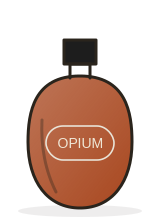
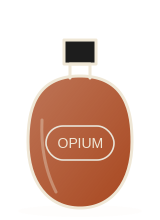
Pyramids usually list the note simply as bay leaf, without naming the species. YSL Opium (1977) puts it among mandarin, plum, clove and pepper in its famously spicy opening.
Serge Lutens Ambre Sultan (1993) goes herbal, setting bay leaf with oregano, coriander and myrtle above a dense labdanum and benzoin amber. Here the herbs act like a dry rub on the resins, keeping all that sweetness from turning syrupy.
Fragrances on this site that list bay leaf in their pyramid