Petitgrain means “little grain” in French, a nod to the small, unripe bitter oranges it was once distilled from. Distillers later switched to the far more plentiful leaves and twigs, and the name simply stayed put, like a nickname from school nobody bothers to correct.
Leaves, twigs and a bitter green snap
Petitgrain smells like rubbing an orange leaf between your fingers: green and woody first, then a bitter, faintly floral freshness. It has a cousin’s resemblance to neroli, minus the honey and the flower-shop softness.
It usually lingers a little longer than peel oils, so it carries a cologne’s freshness past the first few minutes. Think of it as citrus with a sensible coat on.
A name that outlived its recipe
Early petitgrain came from tiny green fruits, but leaf material was cheaper and easier to gather in quantity. The modern oil is steam distilled from the foliage of Citrus aurantium, the bitter orange.
Its main components, linalyl acetate and linalool, are the same pair that make lavender and bergamot smell smooth. That shared chemistry is why petitgrain blends so easily into fougères and colognes. It also comes at a far gentler cost than neroli, since leaves are abundant and blossoms are not.
Bigarade, Paraguay and the citrus leaf family
| Type | Source | How it is usually described |
|---|---|---|
| Petitgrain bigarade | Bitter orange leaves, Mediterranean | Refined, floral-green |
| Petitgrain Paraguay | Bitter orange leaves, Paraguay | Woodier, greener, the workhorse grade |
| Petitgrain citronnier | Lemon tree leaves | Sharper, lemony-green |
| Petitgrain mandarinier | Mandarin tree leaves | Softer, sweeter, a little musty |





Why colognes can’t do without it
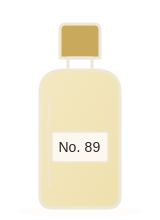
Petitgrain is a building block of the classic eau de cologne, bridging citrus top notes and the herbal heart. Floris No. 89 lists it alongside neroli, orange and lavender in a textbook gentleman’s opening.
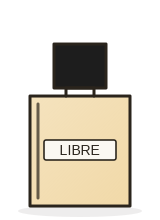
The modern take is YSL Libre, where petitgrain and mandarin lead into orange blossom and lavender, linking fresh fougère structure to a floral heart.
Beyond these two, petitgrain is a common quiet helper in colognes and citrus scents, even when it never makes the official note list. It rounds off sharp peel oils and gives them a green backbone, which is why perfumers keep a generous bottle within reach.
Fragrances on this site that list petitgrain in their pyramid