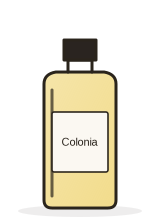
For decades, Acqua di Parma was essentially one product, sold quietly through tailors and good shops. That product, Colonia, is still the reason people buy the brand: a bright citrus cologne in a bottle with a dark cap and a box the color of egg yolk.
A baron, a laboratory and a cologne for himself
According to the house, Baron Carlo Magnani created Colonia in 1916 for his own use, in a small perfume laboratory in Parma. Friends asked for it, and a private habit became a business.
The scent was a deliberate change from the heavy perfumes of the time. Instead of oriental warmth, it offered citrus, lavender and herbs, the kind of fresh scent you could splash on after shaving without smelling like a perfume counter.
Egg-yolk paper and a dark cap
The packaging is the most recognizable thing about the brand: a rounded box in bright yellow. You can spot it on a shelf from the other side of a department store, which is more than most colognes manage.
The bottle is an Art Deco-style cylinder with a dark cap. It looks old-fashioned in the best way, like something found on a well-kept barbershop shelf.
| Product | Year | What it adds | Packaging |
|---|---|---|---|
| Colonia | 1916 | The original citrus, lavender and herb cologne | Yellow |
| Blu Mediterraneo | 1999 onward | Lighter coastal scents, starting with almond | Blue |
| Later Colonia versions | Since the revival | Woodier, more intense takes on the original | Yellow, with variations |
Who brought the brand back?
By the early 1990s the name had faded. In 1993 three Italian businessmen, Luca di Montezemolo, Diego Della Valle and Paolo Borgomanero, revived it and expanded the range.
LVMH bought the company in 2001, and the headquarters later moved to Milan. The core product never changed its role: Colonia is still the anchor, and nearly everything else is a variation on fresh Italian elegance.
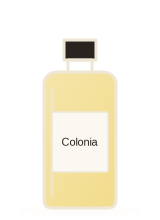
The 1916 original
Is Colonia worth trying today?
Yes, if you want a classic cologne that smells clean and expensive without being loud. It suits warm days, offices and anyone who likes the idea of a gentleman’s barbershop in Italian sunshine.
The catch is longevity. Colonia is a true cologne, and it is generally described as bright at first and fairly short-lived. The richer later versions last longer if that matters to you.