Some people seem to have a smell. You hug them and recognize them before you see their face, and years later a stranger on a train brings them right back.
That effect isn’t luck or magic. It comes from wearing one fragrance often enough that it becomes part of you, which means the hard part is choosing it.
What makes a scent a signature?
A signature scent is less about the perfume and more about repetition. Wear something most days for long enough and the people around you will link it with you, whether it’s a rare niche bottle or a department store bestseller.
It also doesn’t have to be forever. Many people keep a signature for a chapter of life, a decade or a job, then move on. Choosing well matters more than choosing permanently.
Step 1: Which everyday smells do you already love?
Before you smell a single perfume, raid your memory. The smells that make you happy in daily life are the best map you have, because perfume families grew out of those same materials.
| If you love the smell of | Your family is probably | Try a classic like |
|---|---|---|
| Lemons, fresh laundry, a sea breeze | Citrus or aromatic | Acqua di Parma Colonia |
| A florist’s shop, garden roses, jasmine at night | Floral | Dior J’adore |
| Pencil shavings, a forest walk, old books | Woody | Hermès Terre d’Hermès |
| Warm vanilla, incense, a cozy sweater | Amber | Guerlain Shalimar |
| Bakeries, caramel, toasted nuts | Gourmand | Lancôme La Vie est Belle |
| Barbershops, lavender, clean shaving foam | Fougère | Dior Sauvage |
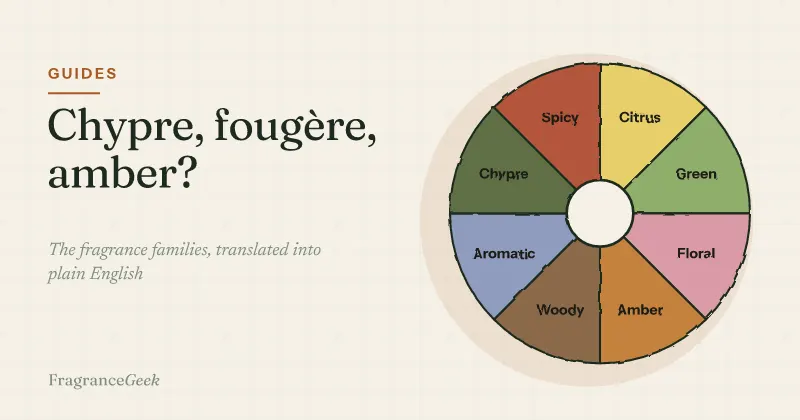
The examples are starting points, not prescriptions. Our guide to fragrance families explained goes deeper into what each group smells like.
Step 2: Which family keeps pulling you back?
Once you have a hunch, go and smell several fragrances from that family side by side. Patterns appear fast: you may find you love every vetiver but none of the sweet woods, or that rose works for you only when something green cuts through it.
Pay attention to what you dislike, too. “Too powdery” or “smells like soap” is precious information, and it narrows the field faster than praise does.
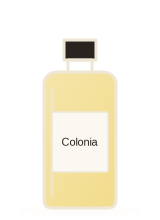


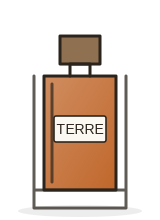


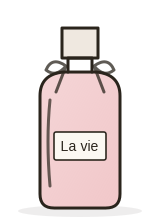
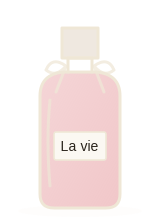

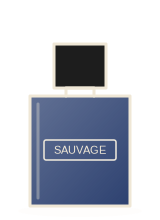
One well-known bottle per family, as a sniffing route through a fragrance counter
Step 3: Why test on skin and not on paper?
Paper strips are good for a first cut. They show you the opening clearly and let you compare a dozen scents without smelling like a duty-free shop.
Skin is where the decision gets made. Body warmth, skin chemistry and the hours of slow evaporation change how a fragrance smells, and the drydown, the part you’ll live with all day, never shows up on a strip in the first minute.
A practical routine:
- Pick two finalists per day, one on each wrist or forearm
- Smell them at intervals: after ten minutes, after an hour and late in the afternoon
- Write down a few words each time, since memory blurs scents quickly
- Take samples home rather than deciding at the counter
Our samples and decants guide covers cheap ways to get small amounts of the candidates.
Step 4: How long should you test a signature scent?
Longer than feels necessary. Wear each finalist for at least three separate days, ideally in different weather and moods, before you crown it.
You’re testing more than the smell. Notice whether it feels like you on a tired Monday as well as a good Saturday, and whether you still want it on the third day. A perfume that thrills you once and bores you by the weekend is a fling, not a signature.
Step 5: Will it work for your daily life?
A signature has to fit your life, not only your nose. Before you buy a big bottle, run your favorite through a few practical checks.
- Works in your climate
- poor fit great fit
- Suits your workplace
- poor fit great fit
- Lasts as long as you need
- poor fit great fit
- Affordable to rebuy
- poor fit great fit
An example scorecard, not a rating of any real perfume. Fill in your own scores; anything below 3 deserves a second look.
Rebuying matters more than people expect. A signature you can afford once and then ration is a special-occasion perfume in disguise.
Why can’t I smell my signature scent anymore?
Because you wear it. Your brain filters out smells it meets constantly, an effect known as olfactory fatigue, so after a few weeks your favorite may seem to vanish from your own skin.
Other people usually still smell it. The common mistake is to respond by spraying more, until colleagues notice you from the elevator. Keep your usual dose; our guide to how many sprays of perfume suggests sensible amounts.
Step 6: One signature or a small wardrobe?
Some people love the idea of a single bottle; others feel boxed in by it. Neither approach is right, and plenty of people land in the middle: one main scent plus a lighter summer option or an evening alternative.
One signature suits you if
- You like being recognized by scent
- You prefer routines and fewer decisions
- You found one bottle that works in every season
A small wardrobe suits you if
- Your moods and seasons call for different smells
- You get bored of anything after a month
- Your work and evenings need very different volumes
Whichever route you take, the principle holds. Wear what you return to without being told, and let the repetition do the rest.
Bottles mentioned
Affiliate link: as an Amazon Associate we earn from qualifying purchases, at no extra cost to you.
If a woody, slightly leathery skin scent is where your trail leads, Santal 33 is a common signature pick, though its popularity means you won’t be the only one wearing it. If that matters to you, keep sampling.