Nine years before Chanel No. 5, Ernest Beaux made a fragrance to celebrate the centenary of a battle. That is a very Russian way to sell cologne, and a reminder that the man behind the world’s most famous floral learned his trade at a supplier to the tsar’s court.
A Frenchman from Moscow
Beaux was born in Moscow in 1881 into a family of French origin. He trained at Rallet, a perfume and soap company that supplied the Russian imperial court, and worked his way up to become one of its senior perfumers.
In 1912 he created a fragrance for Rallet to mark the centenary of the Battle of Borodino. Then history got in the way.
- 1881
Born in Moscowfact
Into a family of French origin
- 1912
Borodino centenary fragrance for Ralletfact
- 1914 to 1918
Serves in the French armyfact
Later posts in the far north of Russia during the turmoil after the Revolution
- 1919
Back in Francefact
Rallet's operations had moved to La Bocca, near Cannes
- 1920
Meets Gabrielle Chanelfact
Reportedly through Grand Duke Dmitri Pavlovich
- 1921
No. 5 given to favored clientsfact
- 1961
Diesfact
War, revolution and the far north
Beaux served in the French army during the First World War and in the turmoil that followed the Russian Revolution, including posts in the far north of Russia. By 1919 he was back in France, where Rallet’s operations had moved to La Bocca, near Cannes.
Who introduced the perfumer to Coco Chanel?
In 1920 Beaux was introduced to Gabrielle Chanel, reportedly through Grand Duke Dmitri Pavlovich of Russia, who was close to her at the time. She wanted a perfume unlike the single-flower scents of the day: something that smelled, as the story usually goes, like a woman rather than a flower.
Beaux presented a series of samples. Chanel chose the fifth, and No. 5 was born, first given to favored clients in 1921.
The aldehyde overdose, explained
Its daring overdose of aldehydes gave the floral heart a bright, sparkling, almost soapy lift. Think of the moment a cold, clean sheet snaps open on a washing line.
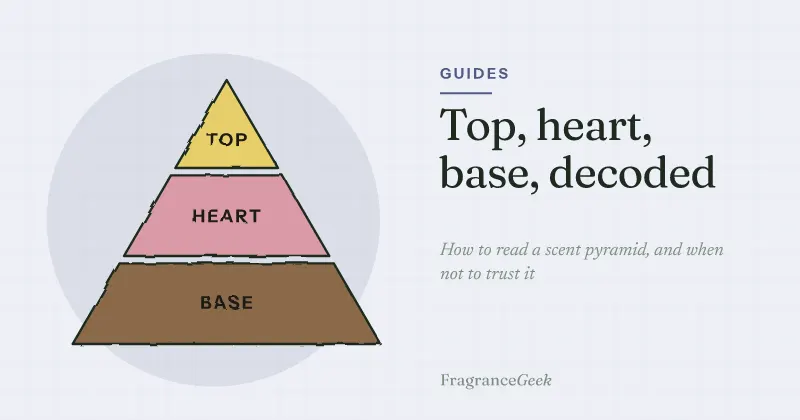
- Topthe first 15 minutesAldehydes · Neroli · Ylang-ylang · Bergamot · Lemon
- Heartthe next few hoursJasmine · Rose · Iris · Lily of the Valley
- Basewhat stays on skinSandalwood · Vetiver · Vanilla · Musk · Amber
What came after No. 5?
Beaux became Chanel’s perfumer and stayed with the house for decades. He also worked for Bourjois, where Soir de Paris, in its famous cobalt-blue bottle, became a popular hit.
| Perfume | Year | House | Style |
|---|---|---|---|
| Borodino centenary fragrance | 1912 | Rallet | Made to mark the battle’s 100th anniversary |
| Chanel No. 5 | 1921 | Chanel | Aldehydic abstract floral |
| Chanel No. 22 | 1922 | Chanel | The follow-up to No. 5 |
| Cuir de Russie | 1924 | Chanel | Leathery |
| Bois des Îles | 1926 | Chanel | Soft, creamy sandalwood; many fans consider it one of his finest |
Why do synthetics owe him a thank-you?
Beaux showed that synthetic materials could be the star of a perfume rather than a cheap substitute for flowers. No. 5 did not invent aldehydes, but it made them famous.
It also pointed perfumery toward the abstract compositions that dominate the craft today. Not bad for a man whose most famous work is named after a sample tray.