One potted hyacinth can perfume an entire hallway, yet the flower hardly lets perfumers bottle that power. The note you meet in a fragrance is mostly a clever rebuild, and the best ones keep the bulb’s damp, green bossiness intact.
Wet stems, sweet petals, a pinch of pepper
Hyacinth smells green and watery up front, like a snapped stem, then sweet and floral with a faintly peppery, earthy undertone. It is less creamy than lily and more pungent than lilac.
Strong hyacinth can feel a bit dizzying, which is why perfumers use it to signal spring in a single stroke. A drop says “March garden” faster than any other flower.
In a composition it usually sits in the opening or heart. Its wet, stemmy greenness tends to go first, leaving the sweeter floral side and a gentle, slightly earthy trail.
- Greenness
- soft snapped stem
- Sweetness
- dry honeyed
- Earthiness
- airy potting soil
- Intensity
- whisper fills the hall
How hyacinth accords are generally described; galbanum-rich versions read greener and more bitter.
From Ottoman gardens to Dutch fields
The garden hyacinth is native to western Asia, from southern Turkey through Syria and Lebanon to northern Israel. It arrived in Europe in the 16th century, spread across the Mediterranean, and found its biggest commercial home in the Netherlands.
It has also been grown in France for perfumery. Even so, the flower is often counted among the “mute” blooms whose scent resists practical extraction, so most hyacinth notes are composed rather than distilled.
The galbanum handshake
Hyacinth and galbanum are old partners. Galbanum’s bitter, sappy edge sharpens the flower’s stem, and the result smells like cold spring air.
| Pairing | Effect |
|---|---|
| Galbanum | Sharper, bitter green spring |
| Jasmine and honeysuckle | Rounder, sunnier bouquet |
| Lotus and bulrush | Watery, riverside freshness |
Without some green edge, hyacinth can tip into syrup. That is why so many spring perfumes keep a bitter partner close by.
Chanel’s green spring
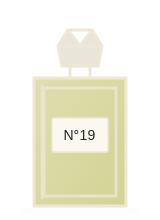
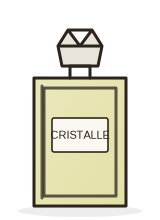
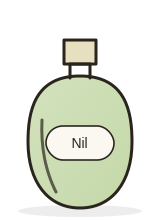
Chanel No. 19 opens with hyacinth beside galbanum, neroli and bergamot, while Chanel Cristalle places it in a heart with jasmine and honeysuckle. Hermès Un Jardin sur le Nil takes it to the water with lotus and bulrush, a softer, more aquatic reading of the same flower.
 Galbanum
 Bergamot
 Neroli
 Hyacinth
 Iris
 Rose
 Jasmine
 Lily of the Valley
 Ylang-ylang
 Vetiver
 Oakmoss
 Sandalwood
 Leather
 Musk
 Cedarwood
 Lemon
- Bergamot
 Mandarin
- Hyacinth
- Jasmine
 Honeysuckle
 Rosewood
- Oakmoss
- Vetiver
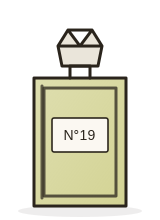
Fragrances on this site with hyacinth in the pyramid