Jasmine is one of perfumery’s two great floral pillars, with rose. It smells lovely, but its real secret is a slightly indecent edge that makes it smell alive rather than pretty.
Why does jasmine smell a little dirty?
Jasmine is rich, sweet and heady, with fruity, honeyed and green facets. Underneath there is something warm and animalic, a slightly fleshy undertone that makes white petals on a summer night smell like skin.
- Sweetness
- dry sweet
- Headiness
- airy heady
- Animalic warmth
- clean animalic
- Green facets
- none leafy
How jasmine absolute is generally described, not a measurement. Hedione-style jasmine is far airier.
Grandiflorum or sambac: which jasmine is which?
Two main species are used, and they are not interchangeable.
| Jasminum grandiflorum | Jasminum sambac | |
|---|---|---|
| Where it grows | India, Egypt and, in small but famous quantities, around Grasse | Very popular in India |
| Character | The classic perfumery reference point | Greener and fruitier |
| Picking | By hand | By hand |
| Usual extraction | Solvent extraction into an absolute | Solvent extraction into an absolute |
Why jasmine can’t take the steam
The delicate flowers are hand picked and usually solvent extracted into an absolute, because they don’t survive steam distillation well. Think of it as the opposite of lavender, which goes into the still without complaint.
Jasmine’s day job in the classics
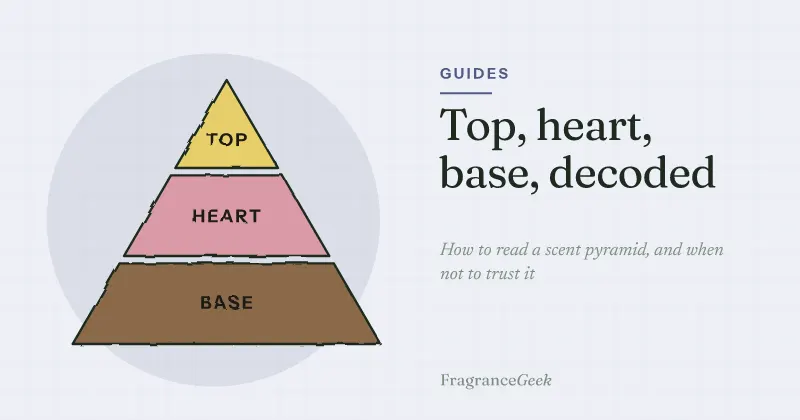
Jasmine sits in the heart and gives a fragrance radiance and body. It is rarely the headline on the bottle, but take it out and the whole floral heart sags.
- Chanel No. 5: Grasse jasmine with May rose is central to its floral heart
- Guerlain Mitsouko: jasmine and rose under the peach and moss
- Dior Diorissimo: jasmine supports the lily of the valley
- MFK Baccarat Rouge 540: jasmine is listed among its notes, along with Hedione
 Aldehydes
 Neroli
 Ylang-ylang
 Bergamot
 Lemon
 Jasmine
 Rose
 Iris
 Lily of the Valley
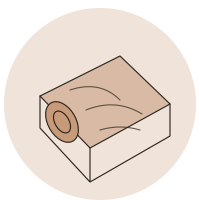
 Sandalwood
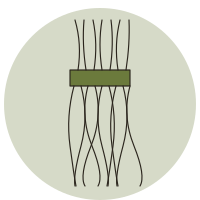
 Vetiver
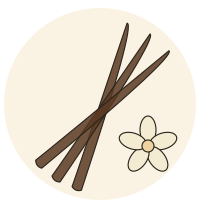
 Vanilla
 Musk
 Amber
- Bergamot
- Lemon
 Peach
- Rose
- Jasmine
 Lilac
- Ylang-ylang
 Oakmoss
- Vetiver
 Cinnamon
 Labdanum
 Spices

 Green Notes
- Bergamot
 Calyx
- Lily of the Valley
- Lilac
- Jasmine
- Ylang-ylang
 Boronia
- Sandalwood
 Civet
Hedione: jasmine without the petals
Hedione is a synthetic molecule with a fresh, airy jasmine character. It is not quite jasmine; it is more like the light that comes off it.
Dior Eau Sauvage (1966) is famous as one of the first major fragrances to use it prominently. It is now in a huge number of perfumes, which means you have probably worn a little jasmine air without a single petal involved.