Before 1992, fine perfume was not supposed to smell like caramel and cotton candy. Then Olivier Cresp’s Angel for Thierry Mugler did exactly that, and the fragrance industry got a whole new category: the gourmand.
A family business in Grasse
Cresp was born in Grasse and grew up surrounded by the trade. His father was a broker of citrus and flower materials, and his grandfather also traded in perfume ingredients.
His sister, Françoise Caron, became a respected perfumer, and so did his brother. He joined Firmenich in 1992 and was named a Master Perfumer there in 2006.
How did Angel invent a scent family?
By mixing two things that should not work together. Angel pairs a massive dose of patchouli, earthy and dark, with sugary notes of caramel, praline and vanilla, then adds a bright fruity top.
The result is sweet and dirty at once, and it divided people from day one. The Fragrance Foundation credits it with founding the gourmand family, and it set the template for countless sweet perfumes since.
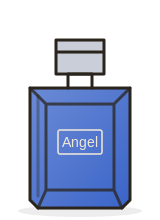
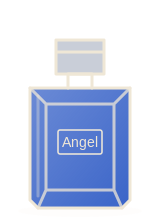
Mugler Angel
Affiliate link: as an Amazon Associate we earn from qualifying purchases, at no extra cost to you.








The kind of materials that make Angel feel like dessert with a shadow
Light Blue: the opposite direction
Nine years later, Cresp made something that smells like the opposite of Angel. Light Blue (2001) for Dolce & Gabbana is airy and lemony, a sunny Mediterranean citrus with apple and soft woods.
Between the two came Noa (1998) for Cacharel, a soft white-musk floral with a hint of coffee, sold in a round bottle with a small pearl inside.
| Perfume | Year | House | Character |
|---|---|---|---|
| Angel (with Yves de Chiris) | 1992 | Thierry Mugler | Patchouli and caramel, the first gourmand |
| Noa | 1998 | Cacharel | White musk, peony and a touch of coffee |
| Light Blue | 2001 | Dolce & Gabbana | Lemon, apple and light woods |
Noa is the quiet one of the three. Coffee is an odd note for a floral, and Cresp uses just enough of it to make the musk feel warm instead of sterile.
Can one perfumer own both sweet and fresh?
Cresp’s career suggests yes. Angel and Light Blue sit at opposite ends of the sweetness scale, yet both became benchmarks that other brands chased for years.
That range has been recognized. France named him a Chevalier des Arts et des Lettres in 2012, and the Fragrance Foundation gave him its Lifetime Achievement Perfumer award in 2018.
The Angel effect
Angel also showed that a perfume could be divisive and still sell. Plenty of people find it far too much, and that reaction became part of its identity rather than a problem to fix.
It is hard to walk through a perfume shop without smelling his influence. Every vanilla-caramel bestseller with a bit of patchouli underneath owes a debt to that star-shaped bottle from 1992, whether or not it admits it.