If you own more than three perfumes, there is a good chance at least one of them opens with bergamot. It is the hardest-working citrus in perfumery, and most people first met it in a teacup.
Why does my cologne smell like Earl Grey?
Because Earl Grey is flavored with bergamot oil. If you have had a cup, you already know the smell: lemon-lime brightness with a soft floral twist.
In perfume it reads fresh, zesty and bright, like lemon and lime but rounder and less sour, with a slightly peppery, herbal side. That floral note comes partly from linalool and linalyl acetate, the same molecules that give lavender its charm, which is why bergamot feels more elegant than a plain lemon.
A citrus nobody wants to eat
Bergamot (Citrus bergamia) is a small, green-to-yellow citrus fruit. It is not much fun to eat: sour and bitter, the fruit-bowl equivalent of a stern aunt.
Its value is in the peel, where the oil is extracted by cold pressing. Most of the world’s supply comes from a narrow strip of coast around Reggio Calabria in southern Italy, which is why perfume ads love the phrase “Calabrian bergamot.”
First in, first out: bergamot’s job in a perfume
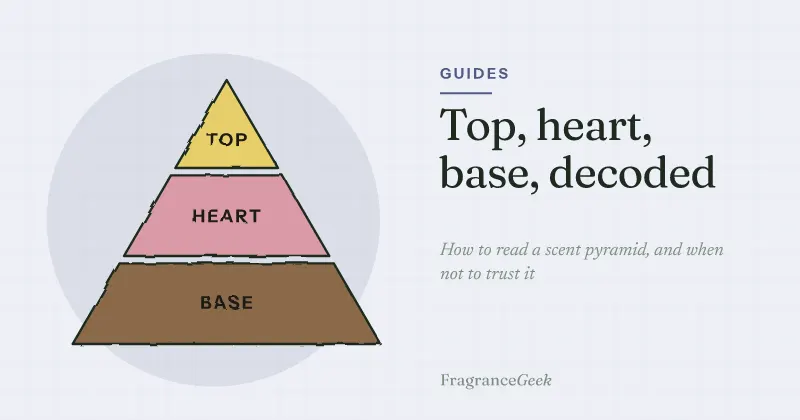
Bergamot is a top note, so it is the first thing you smell and among the first to fade. Its job is to make an opening feel bright and clean, then hand over gracefully to the florals and woods underneath.
It is also a cornerstone of classic eau de cologne, where it shares the stage with a few old friends.










The classic eau de cologne line-up, with bergamot at the front
Bergamot or lemon: which one does a perfumer reach for?
Lemon is sharper and more literal, like a cut fruit. Bergamot is softer, more floral and more “perfumey,” which is why perfumers reach for it when they want freshness that still feels dressed up.
| Bergamot | Lemon | |
|---|---|---|
| First impression | Zesty but round, with a floral, tea-like twist | Sharp and literal, like a cut fruit |
| Sourness | Less sour | More sour |
| Side facets | Peppery and herbal, thanks partly to linalool | Straightforward citrus |
| Typical role | Freshness that still feels dressed up | A brighter, more casual squeeze |
Five bottles where bergamot opens the door
- Guerlain Shalimar (1925): famous for its big bergamot opening sliding into a warm vanilla base
- Dior Eau Sauvage (1966): a citrus-fresh classic built around bergamot and lemon
- Dior Sauvage (2015): Dior names Calabrian bergamot as its headline citrus, over ambroxan
- Creed Aventus: bergamot sits in the fruity opening alongside pineapple and blackcurrant
- Floris No. 89: bergamot and orange give it a classic cologne start


Five very different perfumes, one shared first impression