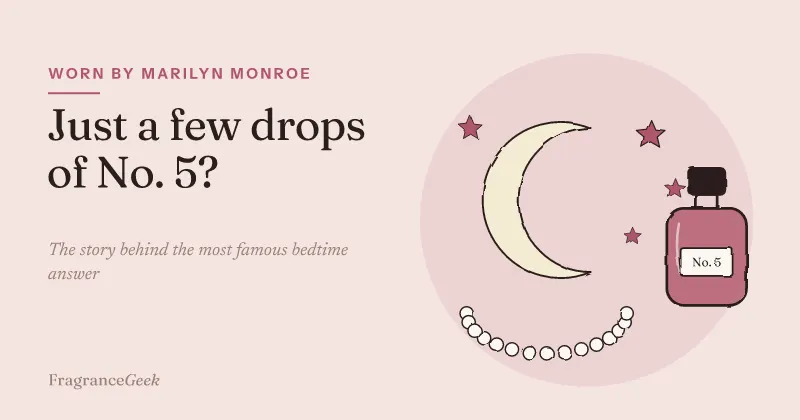
The most famous perfume on earth is named after a sample on a tray. Gabrielle “Coco” Chanel, who opened her first Paris shop in 1910 selling hats, sniffed a row of numbered vials and picked the fifth, and the house has been counting ever since.
Why would anyone name a perfume after a sample number?
A decade after the hat shop, Chanel wanted a perfume. In 1920 she was introduced to Ernest Beaux, a Moscow-born perfumer who had worked for the Russian firm Rallet. He presented a series of samples, and she chose the one numbered five.
She considered five a lucky number, so the perfume simply kept it. No. 5 went to favored clients in 1921 and on sale soon after. For once, a perfume origin story is reasonably well documented, which is rare and refreshing.
Numbers stuck partly out of habit and partly as branding. A number feels modern and a little mysterious, and it saves everyone from naming a perfume “Midnight Velvet Whisper.”
| Number | Launched | Perfumer | Where the name comes from |
|---|---|---|---|
| No. 5 | 1921 | Ernest Beaux | The fifth sample, and Chanel’s lucky number |
| No. 22 | 1922 | Ernest Beaux | Beaux’s follow-up, the next numbered Chanel after No. 5 |
| No. 19 | 1970 | Henri Robert | Gabrielle Chanel’s birthday, August 19 |
Who has held the Chanel nose since Beaux?
In 1924 the fragrance business split off as Les Parfums Chanel, backed by the Wertheimer family. Their descendants still own Chanel, which makes this one of the steadier ownership stories in luxury.
The job of house perfumer has passed through very few hands. Beaux was followed by Henri Robert, then Jacques Polge, and since 2015 by Jacques’s son Olivier Polge. Four noses in a century is the perfume equivalent of a papal succession.
The Chanel handwriting, in five materials
Close your eyes and a Chanel still looks expensive. The house works with aldehydes (that sparkling, soapy, just-ironed-linen brightness), jasmine, rose and iris, set on smooth woods.





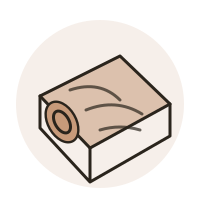

The building blocks that keep turning up in Chanel's classics
Chanel also grows jasmine and May rose near Grasse for its own perfumes, which tells you how seriously it takes the raw materials. The results rarely shout. They wear close and tidy, like a tailored jacket that somehow never wrinkles.
No. 5 or No. 19: which sister do you want to meet?
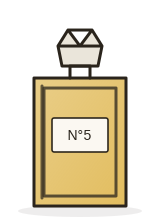
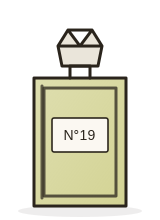
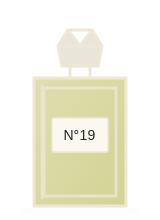
The two numbered classics profiled on this site
Chanel No. 5 is the abstract floral that made aldehydes famous: powdery, sparkling and stranger than its reputation suggests. Chanel No. 19, created by Henri Robert in 1970, is green, crisp and a bit aloof, with a lovely iris heart. Think of it as the sharp-witted sibling.
 Aldehydes
 Neroli
 Ylang-ylang
 Bergamot
 Lemon
 Jasmine
 Rose
 Iris
 Lily of the Valley
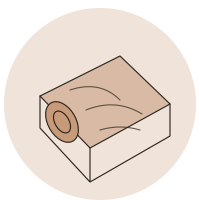
 Sandalwood
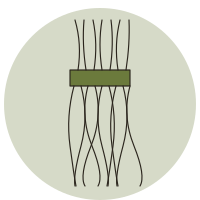
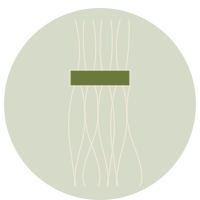 Vetiver
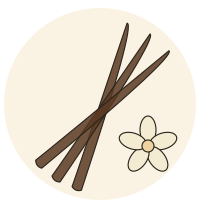
 Vanilla
 Musk
 Amber
 Galbanum
- Bergamot
- Neroli
 Hyacinth
- Iris
- Rose
- Jasmine
- Lily of the Valley
- Ylang-ylang
- Vetiver
 Oakmoss
- Sandalwood
 Leather
- Musk
 Cedarwood
Want something easier for a Tuesday? Coco Mademoiselle and Bleu de Chanel are the modern bestsellers.
Is No. 5 your grandmother’s perfume?
It is over a century old, so it has earned a little vintage. But “old-fashioned” usually means “smells like someone’s grandmother,” and that grandmother had excellent taste.
Try it on skin rather than paper. The aldehydes settle after a few minutes and the soft floral heart comes forward, which is where most people change their minds.