Ambergris is perfumery’s most unlikely luxury: a lump from a whale’s digestive system that floats around the ocean for years and gets better with age. Like cheese, but wetter.
How does a squid beak turn into a perfume material?
Ambergris is a waxy substance that forms in the intestines of sperm whales. The leading explanation is that it builds up around the hard, sharp beaks of the squid they eat, possibly as protection for the gut.
Fresh ambergris is dark, soft and smells mostly of what it is. The magic happens later, at sea, and it takes its time.
- Inside
A waxy mass forms in a sperm whale's intestines
Likely around squid beaks, possibly protecting the gut.
- Exit
It leaves the whale, probably not by mouth
Most researchers think it usually exits with the feces.
- Years
It floats and bakes
Seawater and sun harden it and lighten it to gray or white, and its smell transforms.
- Landfall
It washes up on a beach
Finds are rare and unpredictable, which is why it is so expensive.
- ~1950
Chemists build a substitutefact
Ambroxide, later sold as Ambrox and Ambroxan, is first synthesized at Firmenich.
The smell of a sun-dried beach rock
Aged ambergris is usually described as sweet, earthy and marine, with notes of tobacco, damp wood, musk and warm skin. It is subtle rather than loud, more a murmur than an announcement.
In perfume, it was valued less as a headline note and more as a fixative and enhancer. It added radiance and a skin-like warmth that helped other notes last.
Can you legally sell ambergris you find on the beach?
Natural ambergris still exists, and no whale is harmed to get it: it is collected from beaches and coastlines where it washes up. Whether you can sell it depends on where you are standing.
| Where | How ambergris is generally treated | Why |
|---|---|---|
| United States | Trading in it is generally treated as illegal | Sperm whales are protected as endangered |
| UK and much of Europe | Selling beach-found ambergris is generally legal | It is collected after it washes ashore |
Check local law before listing any suspicious lump online. Your beachcombing hobby does not need a court date.
What “ambergris” on a note list usually means
Most “ambergris” in perfume is not ambergris at all. Chemists developed synthetic replacements, most famously ambroxide (sold as Ambrox and Ambroxan), which captures the dry, woody, salty-sweet side of the material. That is the molecule at the center of Dior Sauvage.
Some fragrances still list ambergris as a note, including Creed Aventus and Creed Fleurissimo. Brands rarely say whether that means natural tincture or an accord, so assume an accord unless the house says otherwise.
Fragrances on this site that list ambergris. Tincture or accord? The houses rarely say.
Amber and ambergris: a naming accident
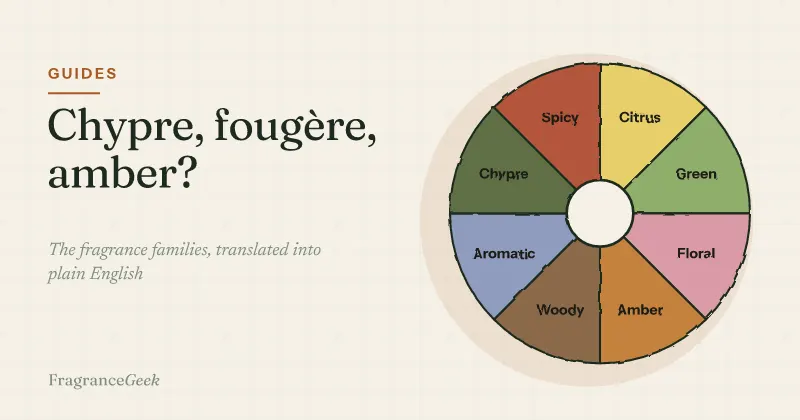
They are different things. “Amber” in perfume is a warm, resinous accord, usually labdanum, benzoin and vanilla, with no whale involved. The shared name is a historical mix-up nobody bothered to fix.