Opoponax is a perfume ingredient with a case of mistaken identity built into its name. The word originally belonged to a medicinal resin from an unrelated plant, and somewhere in the early twentieth century perfumers hung it on a sweet myrrh from the Horn of Africa instead.
Honey, powder and a soft wisp of smoke
Opoponax smells sweet, balsamic and warm, with a honeyed, slightly powdery character and a faint earthy smokiness. Compared with ordinary myrrh it is rounder and friendlier, with less of the bitter, medicinal edge.
In a blend it reads as glow rather than sugar. It is the reason some ambers smell like warm skin instead of dessert.
Hadi trees and a borrowed name
The material sold as opoponax is mostly bisabol, the gum resin of Commiphora guidottii, a tree of Somalia and eastern Ethiopia known in Somali as hadi. It has been traded out of the region since antiquity.
Resin from a related tree, Commiphora holtziana, is sometimes sold under the same name because the two smell alike. Perfumers mostly use it as a resinoid made by solvent extraction.
| Opoponax | Myrrh | |
|---|---|---|
| Main tree | Commiphora guidottii | Commiphora myrrha |
| Character | Sweet, honeyed, powdery | Bitter, medicinal, smoky |
| Typical role | Rounding off amber bases | Adding dark, churchy depth |
| Nickname | Sweet myrrh | None needed |
The quiet partner in Shalimar
On this site, Guerlain Shalimar lists opoponax in a base of vanilla, tonka bean, incense and leather, where it helps give the famous drydown its warm, rounded edge. YSL Opium goes further, setting it beside labdanum, myrrh and benzoin.

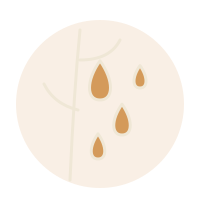


Opoponax and the balsams it most often keeps company with
Outside this site, Wikipedia’s article on the material also names Dior Poison and Chanel Coco Mademoiselle among the perfumes that use it. It rarely stars on its own, but it sweetens any resin it stands next to.
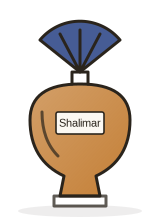
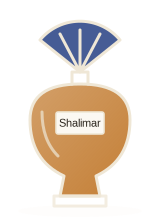
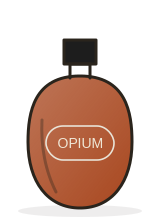
Fragrances on this site with opoponax in the pyramid