Oud starts with a sick tree. A healthy one smells of almost nothing; a wounded, infected one ends up in some of the most expensive bottles on the shelf, which makes oud one of the oldest luxury smells on earth and one of the strangest.
Barnyard, honey or hospital corridor?
Real oud oil is a lot to take in. Depending on the origin and the distillation, you might get dark smoky wood, old leather, dried fruit, honey, a medicinal edge like a hospital corridor, and a distinctly barnyard note that people either find thrilling or alarming.
Oils from different regions smell very different from each other. That is why oud lovers talk about them the way wine people talk about vineyards, with the same faraway look.
The wound that makes the wood
Oud comes from Aquilaria trees, native to South and Southeast Asia. A healthy tree’s wood is pale and nearly odorless. When the tree is wounded and infected by fungi or other microbes, it defends itself by producing a dark, fragrant resin that saturates the heartwood.
That resin-soaked wood is agarwood. It is either burned as incense chips or distilled into oud oil.
Wild trees were harvested so heavily that all Aquilaria species are now listed under CITES Appendix II, which regulates international trade. Much of the supply comes from plantations, where growers deliberately wound or inoculate trees to trigger resin production.
Why does natural oud cost so much?
High-quality natural oud oil is among the costliest raw materials in perfumery, because the resin forms slowly, only in some trees, and in small amounts. That scarcity is also why fakes and heavily diluted oils are common in the market. If a bargain oud seems too good to be true, it is probably mostly something else.
Oud oil vs the “oud” in a designer bottle
Oud has been prized for centuries in the Middle East and South Asia, worn as pure oil or burned as bakhoor-style incense. Western perfumery came late to the party: YSL’s M7 (2002) is often credited as one of the first big designer releases to feature it, and by the 2010s nearly every niche and luxury house had an “oud” line.
| Natural oud oil | Western “oud” accord | |
|---|---|---|
| Made from | Distilled agarwood | Woody, leathery and smoky synthetics, sometimes with a little natural oil |
| Smell | Smoky wood, old leather, dried fruit, honey, medicinal and barnyard notes | A polished woody-leathery accord |
| How it is used | Worn as pure oil or burned as incense | Paired with rose, saffron or amber in a blend |
Think of the Western version as oud with its shoes wiped. Common partners round off its sharper, animalic corners:
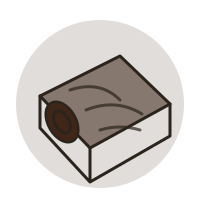

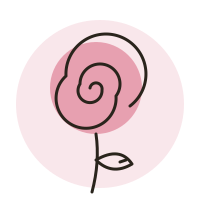
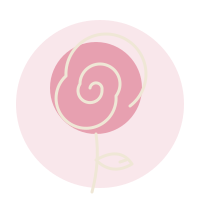
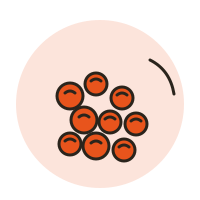

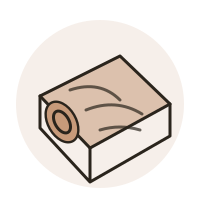

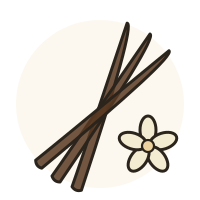
Rose is the classic Middle Eastern pairing; saffron, sandalwood and vanilla follow close behind
Real oud oil might be for you if
- A barnyard note sounds thrilling rather than alarming
- You enjoy comparing origins the way wine people compare vineyards
- Smoke, leather and dried fruit are your comfort zone
Start with an oud accord if
- You want something polished and easy to wear
- Medicinal or animalic notes put you off
- You would rather not gamble on fakes and diluted oils