The modern musk business owes a lot to a chemist who was trying to make explosives. Today musk is the quiet engine of perfume: you rarely notice it, but it is in a huge share of what you wear, softening, smoothing and making everything last longer.
A deer, a pod and a protected species
Originally, musk came from the musk deer, a small deer native to the mountains of Asia. Males have a gland, called a musk pod, whose secretion dries into a dark, intensely scented material. Historically it was one of the most valuable substances in perfumery.
Musk deer are now protected under CITES, and natural deer musk has essentially disappeared from mainstream perfume. Today, musk in your bottle is almost always synthetic.
The explosive origin of synthetic musk
In 1888, chemist Albert Baur was working on explosives related to TNT and noticed one compound smelled strongly of musk. Not the bang he was after, but a much longer-lasting one.
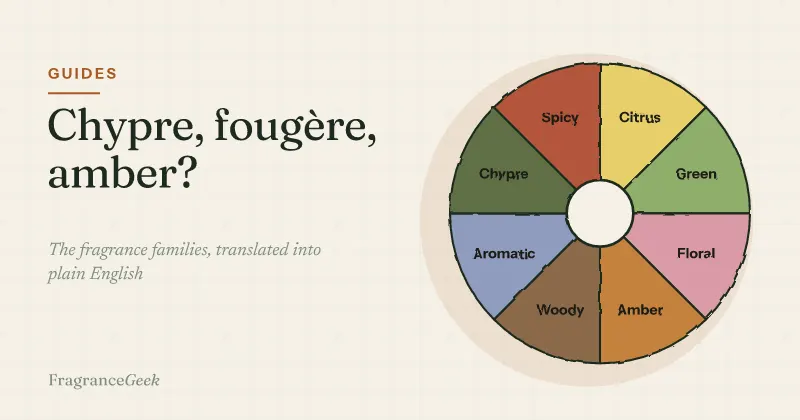
These “nitro musks” became widely used, but most were later restricted over safety and environmental concerns. Since then, chemists have developed several families:
| Musk family | Example | Character |
|---|---|---|
| Nitro musks | Baur’s 1888 discovery | Widely used, then mostly restricted over safety and environmental concerns |
| Polycyclic musks | Galaxolide | That clean-laundry smell |
| Macrocyclic musks | Muscone (the key odor molecule of deer musk) and similar molecules | Smoother and closer to the original |
| Alicyclic musks | Newer molecules | Fresh, often fruity facets |
Clean laundry or nothing? Why noses disagree about musk
Modern musks smell clean, soft and warm, like skin, freshly washed laundry or a cozy cashmere sweater. Some are powdery, some sweet, some slightly fruity. The old animal musk was darker and more intimate, with a sweaty, leathery side.
What musk does in the base
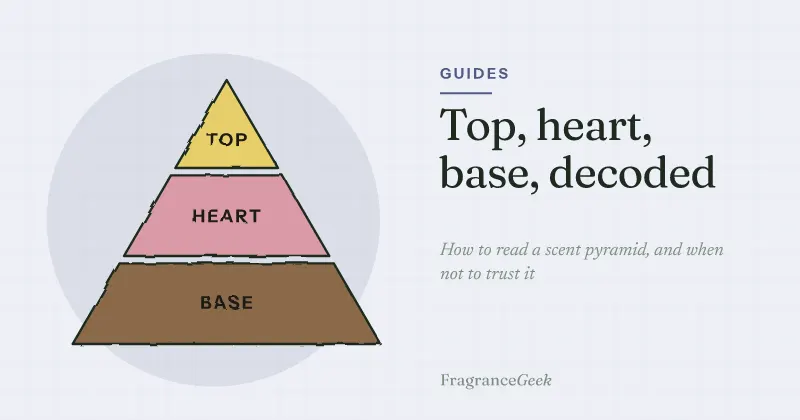
Musk is a base note and fixative. Large musk molecules evaporate slowly, so they help a fragrance stay on skin. They also blur the edges between other ingredients, so the whole composition feels seamless rather than stitched together.
You will find musk listed in the base of Floris No. 89 and Creed Aventus, where it softens woods and moss. “White musk” and “skin scent” perfumes go further, making musk the main event.
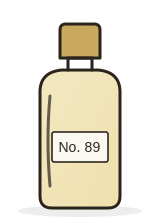
Fragrances on this site with musk working quietly in the base
Is there any animal left in the bottle?
In mainstream perfumery, no. International trade in deer musk is tightly controlled, and synthetic musks are cheaper, consistent and cruelty-free.
If a modern perfume lists “musk,” it almost certainly means a lab-made molecule. The deer can relax.