Dior has sold two completely different perfumes called Sauvage, launched 49 years apart. One is a lemony cologne with impeccable manners; the other is the scent of a busy nightclub queue, and the house seems quite relaxed about the confusion.
Why did a couturier start selling perfume within a year?
Christian Dior opened his couture house in Paris in 1946, and his first collection in early 1947 became known as the “New Look.” He launched Parfums Christian Dior almost at once, with Miss Dior in 1947.
Dior understood something many designers took longer to learn. A dress is a dream for the few, but a perfume lets everyone buy a little piece of the house.
- 1947
Miss Diorfact
Launched alongside the New Look
- 1956
Diorissimofact
Edmond Roudnitska's lily of the valley
- 1966
Eau Sauvagefact
Roudnitska's citrus cologne
- 1972
Diorellafact
Roudnitska's tipsy chypre
- 2006
François Demachy takes chargefact
Leads perfume creation until 2021
- 2015
Sauvagefact
Demachy's modern blockbuster
- 2021
Francis Kurkdjian arrivesfact
Founder of his own house, named perfume creation director
Between the Roudnitska years and Demachy, later decades brought big hits such as Poison and J’adore.
Eau Sauvage and Sauvage: same word, different century
This is where the title of this page comes from. The two perfumes share a name and almost nothing else.
| Dior Eau Sauvage | Dior Sauvage | |
|---|---|---|
| Year | 1966 | 2015 |
| Perfumer | Edmond Roudnitska | François Demachy |
| The idea | Light, citrusy cologne | Modern blockbuster |
| Key materials | Lemon, basil, soft florals, gentle mossy base | Peppery bergamot over a big, smooth ambroxan base |
| Claim to fame | One of the first major fragrances to use Hedione, a molecule with a fresh, airy jasmine feel | Louder, sweeter and built to be noticed |
| Our take | Citrus and herbs with impeccable manners | Easy to wear, almost universally liked |
 Lemon
 Bergamot

 Basil

 Rosemary
 Jasmine
 Carnation
 Coriander
 Vetiver
 Oakmoss
 Musk
- Bergamot
 Black pepper
 Sichuan Pepper
 Lavender
 Pink pepper
- Vetiver
 Patchouli
 Geranium
 Ambroxan
 Cedarwood
 Labdanum
Roudnitska’s subtraction trick
There is no single Dior house accord, but a pattern runs through the classics: fresh, airy compositions with a lot of transparency. Roudnitska in particular liked to take things away until only the essential idea remained. It is the sculptor’s approach, with lemons instead of marble.
The modern Dior style is broader and more mass-market, built on clean musks and ambery woods. Pleasant, polished, and less likely to start an argument.
Which of the four Dior bottles here should you smell first?
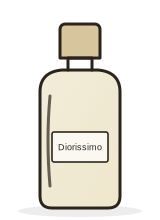
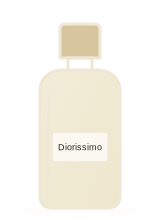
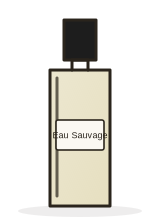
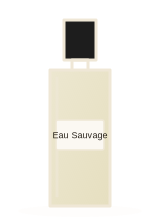
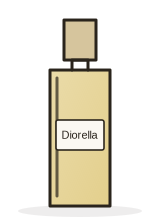
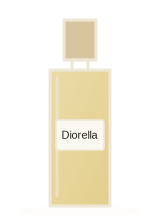
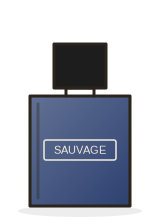
Three Roudnitska classics and one Demachy blockbuster
- Dior Diorissimo: a portrait of lily of the valley, said to be Christian Dior’s favorite flower. Green, dewy and quietly brilliant
- Dior Eau Sauvage: the gentleman of the family
- Dior Diorella: Roudnitska’s strange, wonderful chypre, with lemon, a ripe melon-like fruitiness and moss. Sharp and a bit tipsy
- Dior Sauvage: the modern crowd-pleaser, if you want to smell like many men in a nightclub queue, only slightly better
Is Sauvage the best place to meet Dior?
Sauvage is easy to wear and almost universally liked, which is exactly why some people find it predictable. It is a fine perfume and a poor introduction to what made the house special.
If you want Dior’s real character, try one of Roudnitska’s three first. Then go back to Sauvage and enjoy the family resemblance, which is mostly in the name.